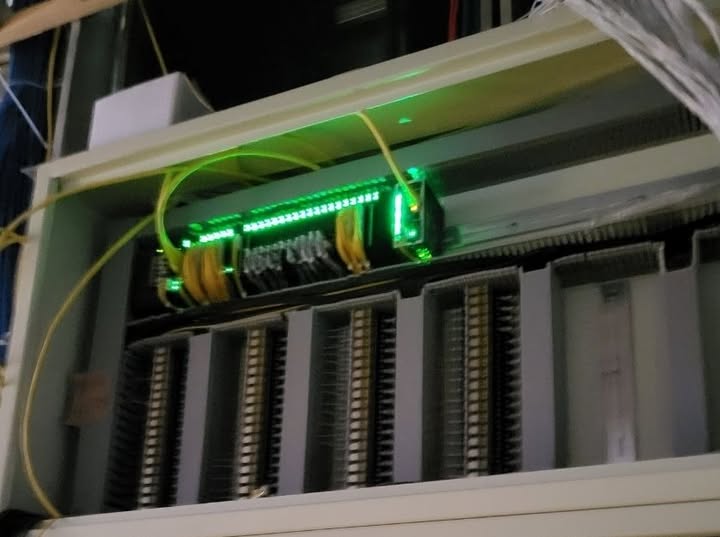
During recent system planning meetings for Building Automation and Facility Management Optimization, I emphasized that investing in automation is a strategic decision encompassing the entire asset lifecycle.
When presenting to clients, I proactively address the following 12 key dimensions to ensure long-term success:
- Initial CAPEX: Balancing upfront investment with long-term ROI.
- Scalability: The flexibility to expand systems in the near term.
- OPEX & Maintenance: Long-term operational and upkeep efficiency.
- Residual Value: Assessing asset value and repurposing potential at end-of-life.
- Vendor Support: The depth and reliability of technical support from partners.
- Component Lifecycle: Availability and longevity of critical hardware.
- User Onboarding: Ease of use and knowledge transfer for management teams.
- Data Value-Add: Leveraging IoT data for actionable operational insights.
- Cybersecurity: Robust protection measures within networked environments.
- System Openness: Seamless integration through open architectures and protocols.
- Disaster Recovery: Redundancy and recovery capabilities during critical failures.
- Sustainability & Compliance: Ensuring energy efficiency and ESG regulatory alignment.
In my experience with Industrial Automation, the primary goal is often “unmanned operations” to maximize throughput. However, Building Automation presents a higher level of complexity; while industrial systems focus on machines, building systems are designed to serve people.
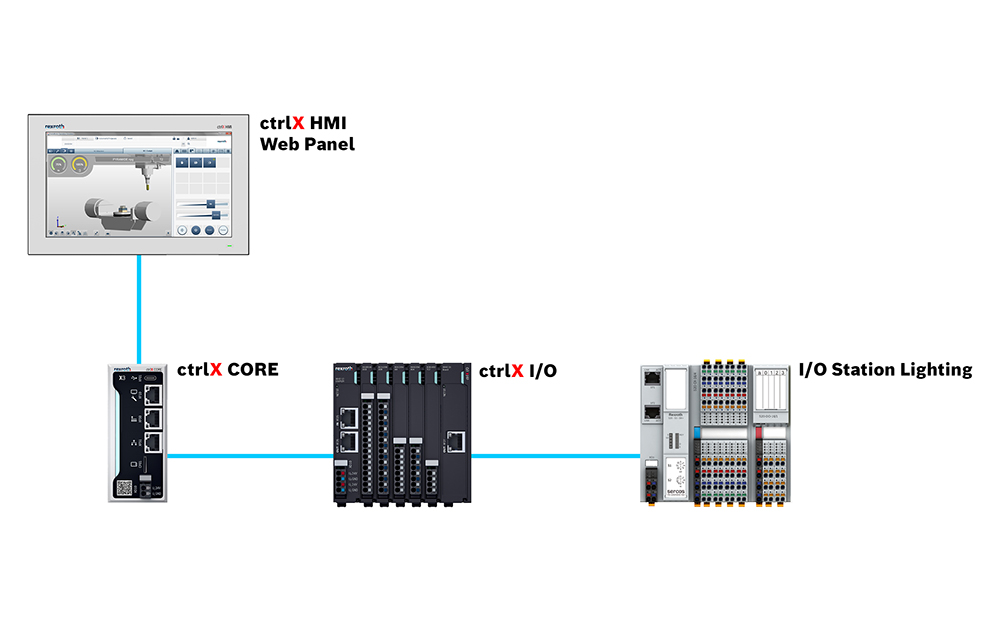
FrankMec focuses on leveraging the Bosch Rexroth ctrlX AUTOMATION platform, with a specialized expertise in “Decentralized Data Acquisition” utilizing ctrlX I/O systems.
We are bridging the gap between industrial-grade precision and Building Automation. By implementing the modular and highly scalable ctrlX I/O architecture, we provide a robust framework for distributed data collection across large-scale infrastructures. This approach enables seamless integration with diverse building subsystems through open standards, ensuring that data is not only captured reliably but also translated into actionable insights for intelligent facility management and energy efficiency.

 法藍克機電 Frank Mechatronics
Leave a comment